Pelvic pain is a concern many women experience at some point in their lives, yet it often goes unspoken. Some women ignore it, assuming it is a normal part of menstruation or daily stress, while others silently endure discomfort without seeking help. Raising awareness about pelvic pain is crucial, as it can be a sign of underlying conditions that deserve attention and care. At Kathir Hospital, consulting experienced specialists, such as the Best Gynaecology Obstetricians in Trichy, can help women receive timely evaluation and proper guidance.
This guide aims to help women understand what pelvic pain is, why it occurs, when it is normal, when it is not, and why timely medical consultation can make a significant difference in long-term health.
Pelvic pain refers to discomfort or pain felt in the lower abdomen or pelvic region. It may occur suddenly or gradually and can be mild, moderate, or severe. For some women, the pain is temporary, while for others, it may persist for months or even years.
Pelvic pain can be:
Pelvic pain may present in different ways, including:
1. Menstrual-Related Causes
Severe menstrual cramps (dysmenorrhea)
Heavy or prolonged periods
Hormonal imbalances
2. Endometriosis
A condition where tissue similar to the uterine lining grows outside the uterus, leading to chronic pelvic pain, painful periods, and sometimes infertility.
3. Uterine Fibroids
Non cancerous growths in the uterus that can cause pelvic pressure, pain, and heavy bleeding.
4. Pelvic Inflammatory Disease (PID)
An infection of the reproductive organs that can cause persistent pelvic pain if untreated.
5. Ovarian Cysts
Fluid-filled sacs on the ovaries that may cause pain, especially if they rupture or grow large.
6. Urinary and Bowel Conditions
Issues such as urinary tract infections, interstitial cystitis, irritable bowel syndrome, or constipation can mimic gynecological pelvic pain.
7. Pregnancy-Related Causes
Ectopic pregnancy, miscarriage, or complications during pregnancy can also present as pelvic pain and require immediate medical attention.
Awareness is not just about knowing the causes it is about knowing when to seek help. You should consult a gynecologist if:
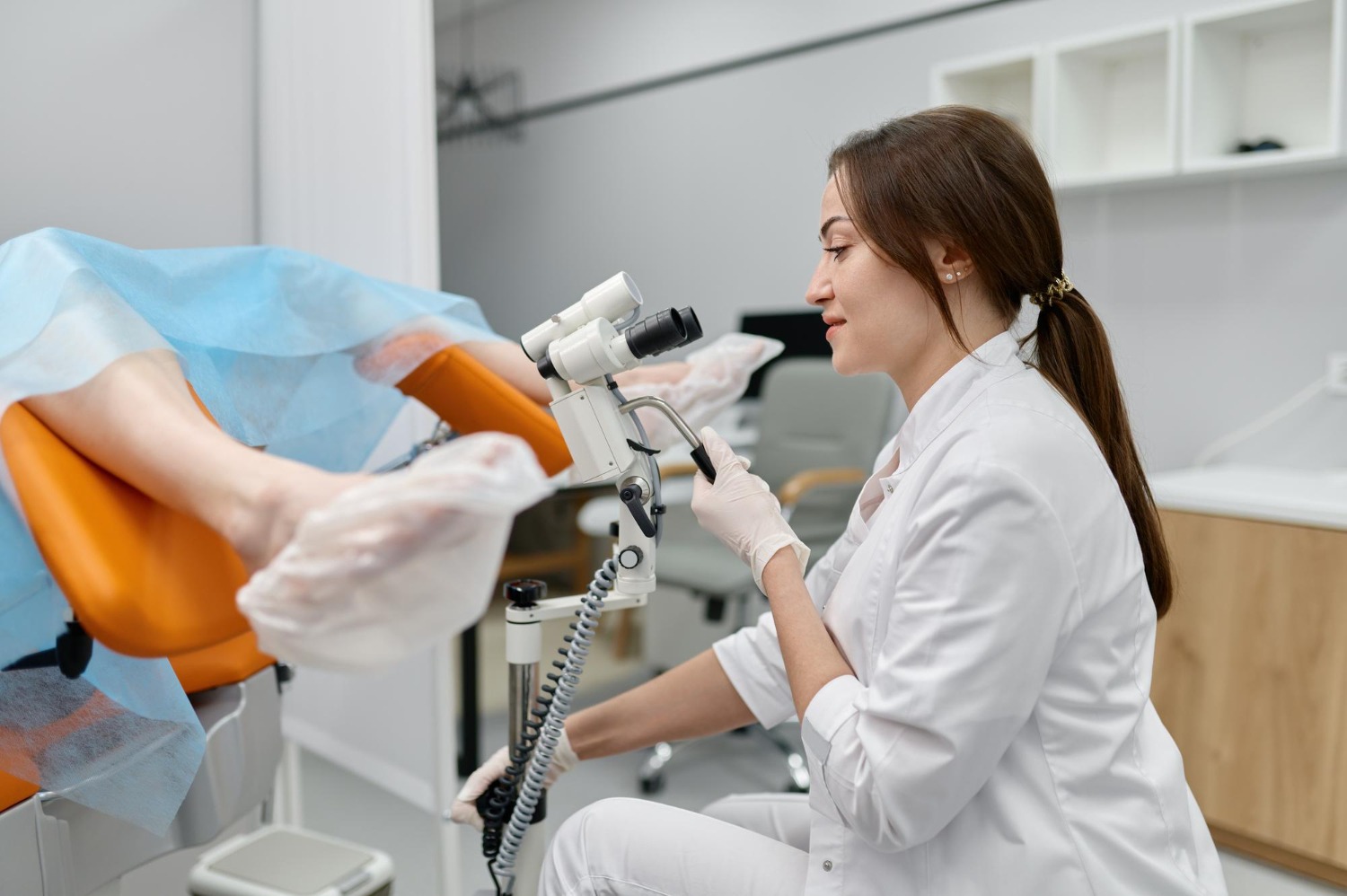
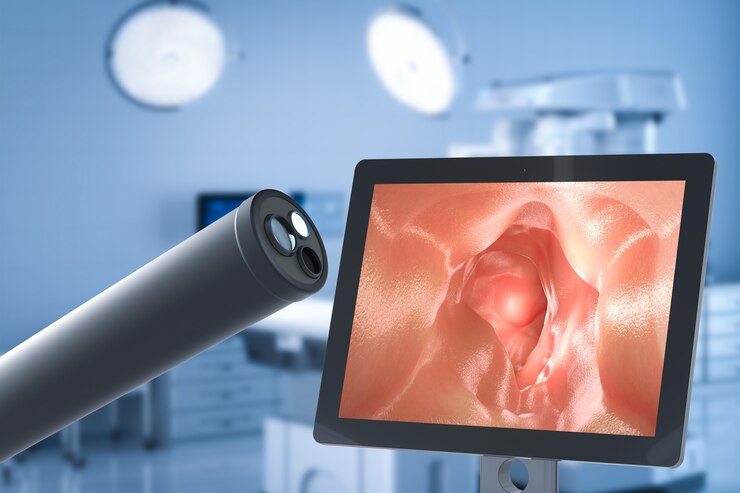
Diagnosis usually involves:
Treatment varies depending on the cause and severity. Common approaches include:
Medical Management
Lifestyle Modifications
Physiotherapy
Pelvic floor physiotherapy can be helpful in certain chronic pain conditions.
Surgical Treatment
When necessary, minimally invasive procedures may be recommended for conditions like endometriosis or fibroids.
A personalized treatment plan is essential, and consulting experienced specialists ensures accurate diagnosis and appropriate care.
Pelvic pain is not only physical it can also affect mental and emotional well being. Chronic pain may lead to:
Acknowledging the emotional aspect of pelvic pain is a vital part of awareness and healing. Women deserve compassionate, holistic care that addresses both body and mind.
Many women hesitate to talk about pelvic pain due to embarrassment, fear, or social stigma. Awareness campaigns and open conversations can help normalize discussions about women’s health.
Talking openly, seeking timely medical advice, and trusting qualified professionals can empower women to take control of their health.