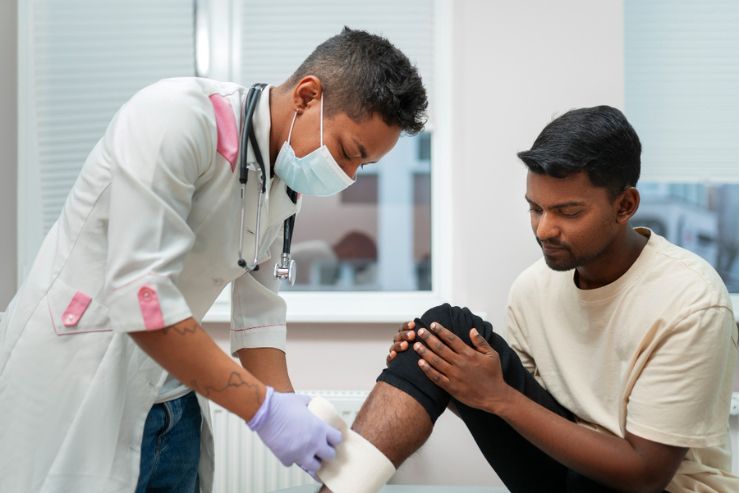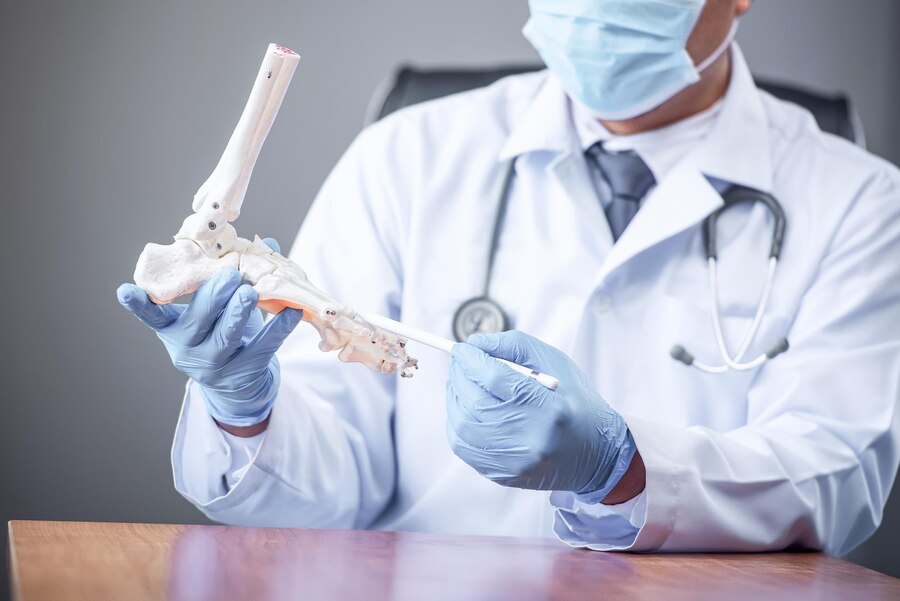
Ligament injuries are among the most common conditions that affect joints, particularly in athletes, physically active individuals, and even people carrying out everyday activities. These injuries can greatly affect mobility, joint stability, and overall quality of life if they are not treated in time. Kathir Hospital provides complete medical care and specialist support for the diagnosis and treatment of ligament injuries. Advanced procedures such as Arthroscopic surgery in Trichy ensure effective treatment, quicker healing, and a faster return to normal life. Specialists emphasize early diagnosis, well-planned treatment strategies, and personalized rehabilitation to achieve the best possible outcomes for patients with ligament injuries.
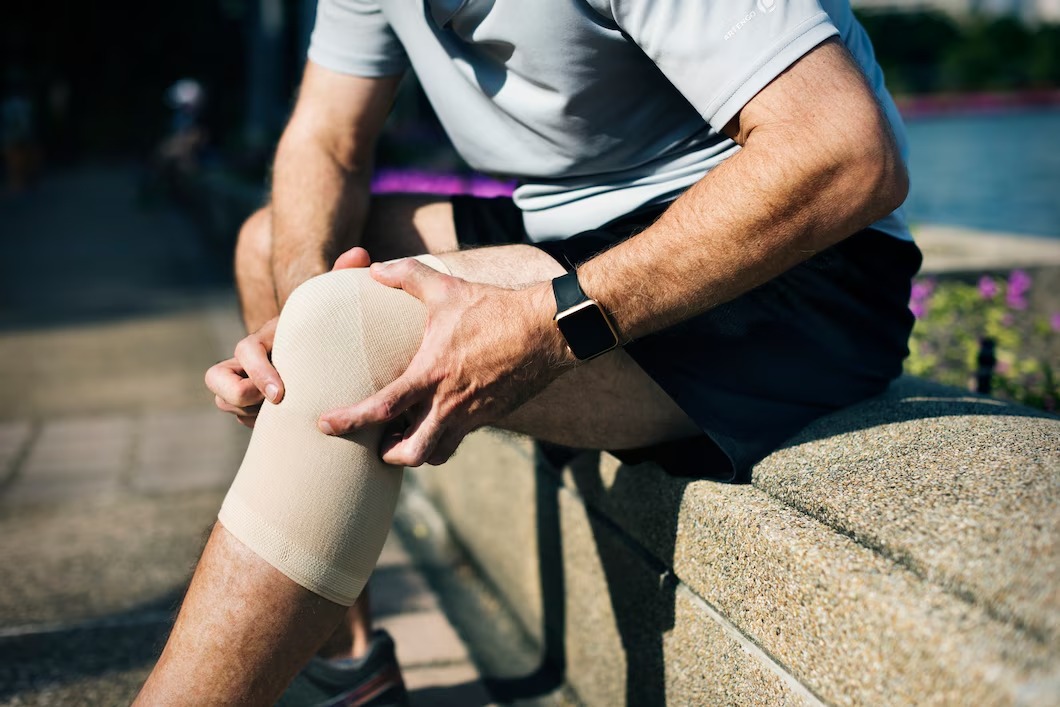
Ligament injuries can occur in many situations. They are commonly linked to sports activities, but everyday accidents can also cause these injuries.
Some common causes include:
Sports injuries – During sports like football, basketball, and cricket, sudden twisting motions, jumping, or rapid changes in direction can put stress on ligaments and cause damage.
Falls and accidents – Slipping, falling, or road accidents may place sudden stress on joints, leading to ligament tears.
Improper physical activity – Performing exercises incorrectly or lifting heavy weights without proper technique can strain ligaments.
Sudden impact or trauma – Direct hits to the joints during sports activities or accidents can result in ligament tears.
Weak muscles or poor conditioning – Insufficient strength around the joints can increase the risk of ligament damage.
Ligament injuries are usually classified according to the severity of the damage.
Grade 1 – Mild Sprain
In this stage, the ligament is stretched but not torn. Mild pain and swelling may occur, but the joint generally remains stable.
Grade 2 – Partial Tear
This involves a partial tear of the ligament. The joint may feel unstable, and the swelling and pain tend to be more noticeable
Grade 3 – Complete Tear
In severe cases, the ligament is completely torn. This often leads to considerable swelling, pain, and joint instability, which can make movement difficult.
Symptoms of Ligament Injuries
The symptoms of ligament injuries may vary depending on the affected joint and the severity of the injury.
Common symptoms include:
Many patients recover well with non-surgical treatments such as:
Rest – Avoiding activities that put stress on the injured ligament helps support the healing process.
Ice therapy – Applying ice helps reduce swelling and relieve pain.
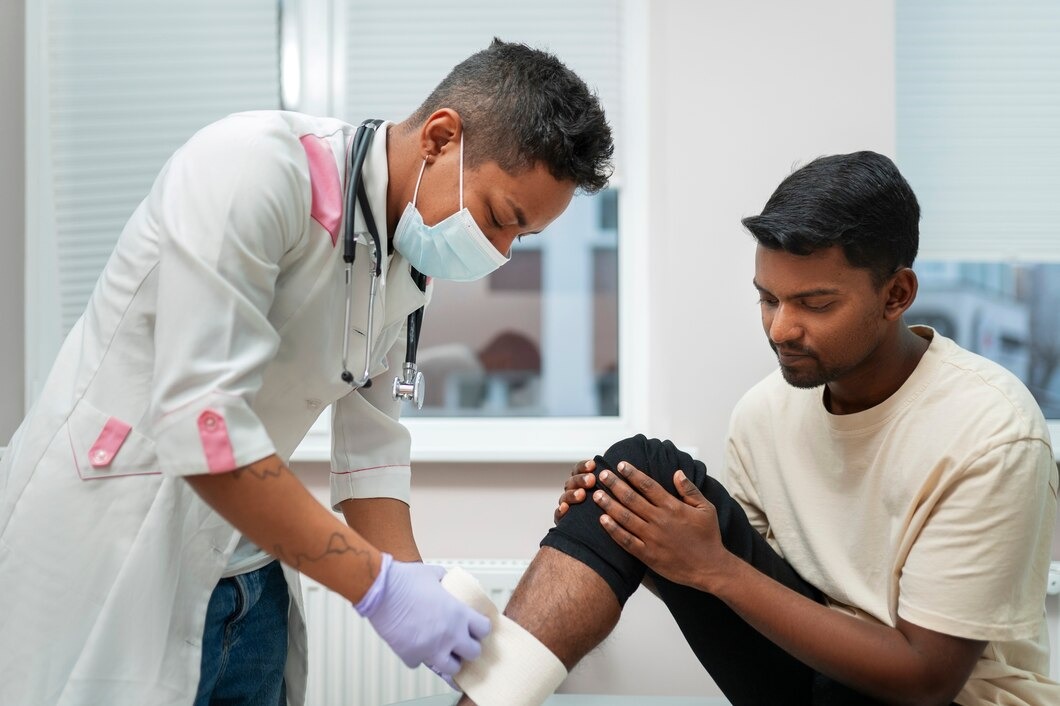
Compression – Using elastic bandages can provide support to the injured joint.
Elevation – Keeping the injured limb raised helps reduce swelling.
Physiotherapy – Rehabilitation exercises help strengthen the surrounding muscles and improve joint stability.
These treatments are usually effective for mild to moderate ligament injuries.
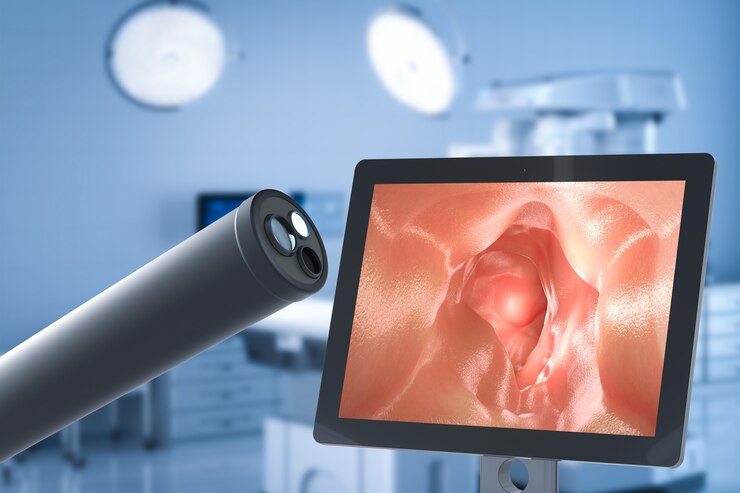
Arthroscopic procedures have transformed orthopedic care by offering faster recovery and reduced complications.
Key benefits include:
Patients can often begin rehabilitation sooner and return to daily activities more quickly after arthroscopic surgery.
Recovery from ligament injuries does not end with treatment or surgery. Rehabilitation plays a critical role in restoring joint function and preventing re-injury.
A structured physiotherapy program usually includes:
Range-of-motion exercises – These help restore normal joint movement.
Strengthening exercises – Strengthening surrounding muscles improves joint stability.
Balance and coordination training – This helps patients regain control and confidence during movement.
Gradual return to activity – Patients are guided step by step to resume normal activities or sports.
Recovery time varies depending on the severity of the injury and the type of treatment received. Minor ligament injuries may heal within a few weeks, while major ligament reconstruction surgeries may require several months of rehabilitation.
While not all injuries can be prevented, several steps can significantly reduce the risk of ligament damage.
Some preventive measures include:
These habits help protect joints and reduce the likelihood of injuries during physical activities.
It is important to seek medical attention if you experience severe pain, swelling, or difficulty moving a joint after an injury. Ignoring ligament injuries may lead to chronic instability, persistent pain, and long-term joint problems.
Early medical intervention ensures proper treatment and helps patients recover more quickly and safely.
Ligament injuries can affect people of all ages and activity levels, but with the right treatment and rehabilitation, most patients can return to their normal lifestyle. Early diagnosis, appropriate medical care, and proper physiotherapy are key factors in successful recovery. At Kathir Hospital, experienced orthopedic specialists provide advanced treatment options and personalized care to help patients recover from ligament injuries effectively. With modern procedures like Arthroscopic surgery in Trichy, patients can benefit from minimally invasive techniques that promote faster healing and improved joint function. By choosing expert care and following a structured rehabilitation plan, individuals can regain mobility, reduce pain, and return to an active and healthy life.