Understanding Cartilage Damage: A Complete Awareness Guide
Joint problems and cartilage injuries today can be managed effectively with advanced and modern treatment options. At Kathir Hospital, patients are educated about joint health, early diagnosis, and the latest treatment methods to ensure faster recovery and better mobility. With a strong focus on minimally invasive techniques, treatments help promote quicker healing and improved joint function. When it comes to joint care and early cartilage preservation, Kathir Hospital emphasizes awareness, prevention, and personalized treatment plans to help people maintain an active lifestyle through Arthroscopic surgery in Trichy.
What is Cartilage and Why is it Important?
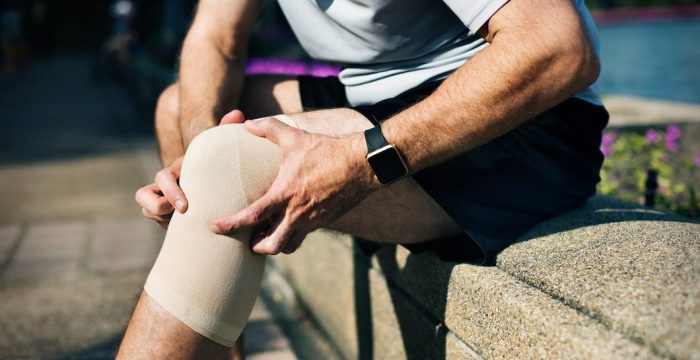
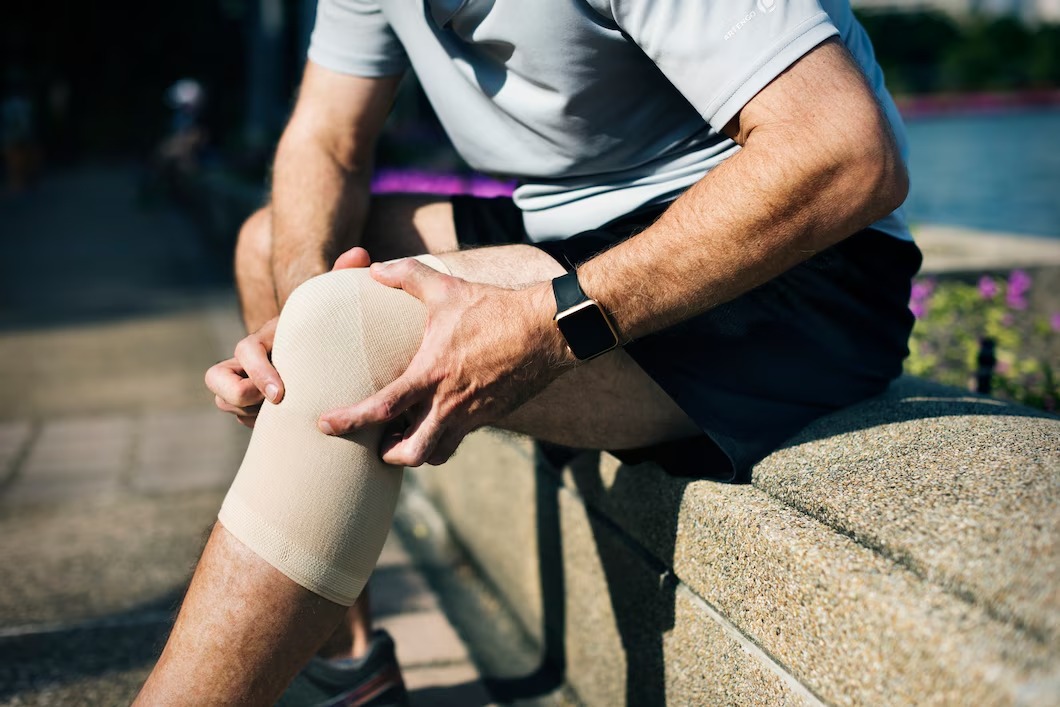
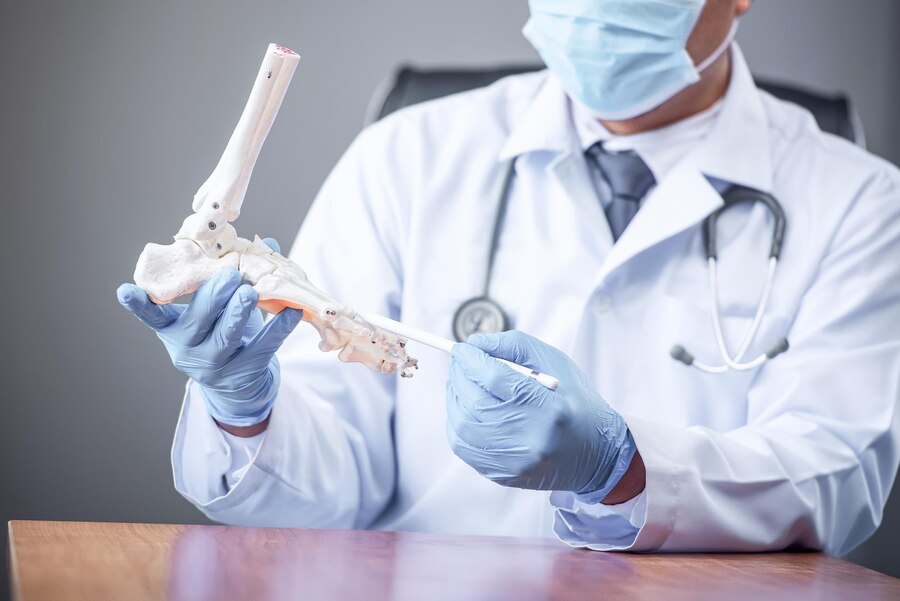
Cartilage is a smooth, rubbery tissue that covers the ends of bones inside joints. It allows bones to move smoothly over each other and acts like a cushion that absorbs shock during movement. Healthy cartilage ensures pain-free movement, flexibility, and stability in joints like the knee, shoulder, hip, and ankle. Unlike muscles or skin, cartilage has a very limited blood supply. Because of this, it does not heal quickly when damaged. Even a small injury or wear and tear over time can gradually worsen and lead to joint stiffness, swelling, and chronic pain if left untreated.
Common Causes of Cartilage Damage
Cartilage injuries can happen due to various reasons. Understanding the causes can help in early prevention and treatment.
Sports Injuries – Sudden twists, falls, or high-impact sports can tear cartilage.
Age-Related Wear and Tear – As we grow older, cartilage naturally becomes thinner and weaker.
Obesity – Extra body weight puts additional pressure on joints, especially the knees.
Joint Instability – Weak muscles or ligament injuries can lead to abnormal joint movement and cartilage damage.
Repetitive Stress – Continuous physical strain or improper posture can gradually wear down cartilage.
Previous Surgeries or Trauma – Injuries or surgeries may affect joint structure and lead to cartilage degeneration.
Early Signs You Should Never Ignore
Cartilage damage often starts silently. Recognizing symptoms early is essential for better outcomes. Joint pain during movement
Swelling or stiffness in the joint
Grinding or clicking sound while moving
Reduced range of motion
Feeling of joint instability or locking
Pain that worsens with activity and improves with rest
How is Cartilage Damage Diagnosed?
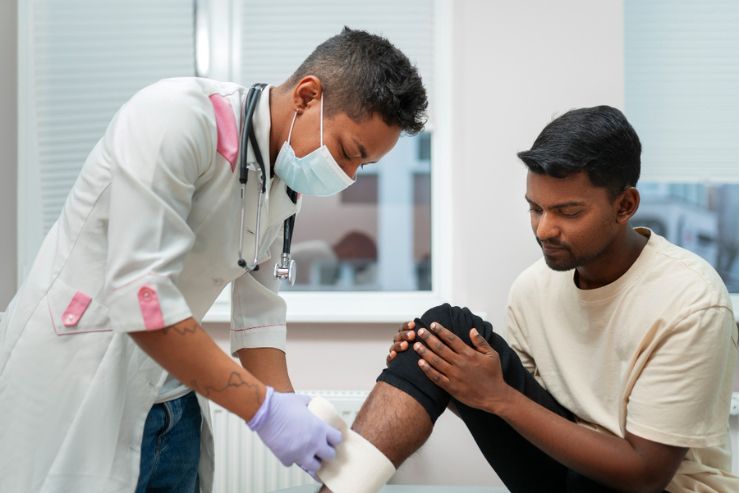
A proper diagnosis is important before starting treatment. Doctors may use: Physical Examination – Checking joint movement, swelling, and tenderness
X-rays – To detect bone alignment issues
MRI Scans – To identify cartilage tears or soft tissue injuries
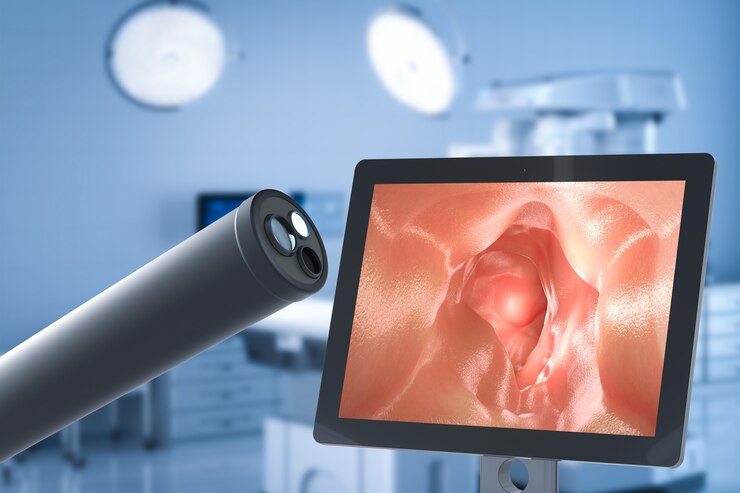
Diagnostic Arthroscopy – A minimally invasive procedure to directly visualize joint damage
Non-Surgical Treatment Options
Not all cartilage injuries require surgery. Many mild to moderate cases can be managed with conservative treatment.
Rest and Activity Modification – Avoiding movements that worsen symptoms
Physiotherapy – Strengthening surrounding muscles to reduce joint stress
Medications – Anti-inflammatory drugs to reduce pain and swelling
Weight Management – Reducing body weight decreases pressure on joints
Supportive Braces – Stabilizing joints during movement
Injections – PRP or hyaluronic acid injections may help improve joint lubrication
When is Surgery Needed?
Surgery may be considered when:
Pain persists despite conservative treatment
Joint locking or instability occurs
Severe cartilage tears are present
Daily activities become difficult
Progressive degeneration affects mobility
Role of Arthroscopic Procedures
Arthroscopic surgery is a modern technique where small instruments and a camera are inserted into the joint through tiny incisions. This allows doctors to:
Remove damaged cartilage
Repair cartilage tears
Smooth rough joint surfaces
Treat ligament injuries
Reduce inflammation
Recovery and Rehabilitation
Recovery after cartilage treatment depends on the severity of the injury and the type of procedure performed.
Early Physiotherapy – Helps restore strength and flexibility
Gradual Return to Activity – Avoid overloading joints during recovery
Lifestyle Changes – Maintaining a healthy weight and proper posture Regular Follow-Ups – Monitoring healing progress
Preventing Cartilage Damage
Prevention is always better than treatment. Here are simple steps to protect your joints:
Maintain proper posture while sitting and working
Use appropriate footwear during sports
Strengthen core and joint muscles
Avoid sudden increases in physical activity
Take breaks during repetitive work
Maintain a healthy diet rich in calcium and protein
Importance of Early Awareness
Many people ignore mild joint pain, thinking it is temporary. However, early intervention can prevent serious complications. Awareness about cartilage health helps individuals seek timely medical advice and adopt preventive strategies.
Regular health check-ups, proper exercise routines, and maintaining an active lifestyle can greatly improve joint function and reduce the risk of long-term disability.
Conclusion
Arthroscopic surgery in Trichy continues to be a highly effective option for managing cartilage injuries and restoring joint function. At Kathir Hospital, advanced diagnostic methods and expert orthopedic care ensure that patients receive the right treatment at the right time, including modern techniques for faster recovery. With proper awareness, early diagnosis, and specialized care at Kathir Hospital, individuals can prevent long-term joint damage and maintain an active, pain-free life with confidence.