For many women, difficulty conceiving can be an emotional and confusing experience. There can be several reasons why pregnancy does not occur, and identifying the underlying cause is an important part of fertility care. In some cases, conditions inside the uterus may affect implantation or pregnancy. When such problems arise, when doctors suspect such problems, they can use hysteroscopy to examine the inside of the uterus and, if necessary, treat certain abnormalities. hysteroscopy can help doctors examine the inside of the uterus and, when required, treat certain abnormalities. For women who require infertility surgery in Trichy, understanding procedures such as hysteroscopy can help them have a clearer conversation with their fertility specialist about possible treatment options.
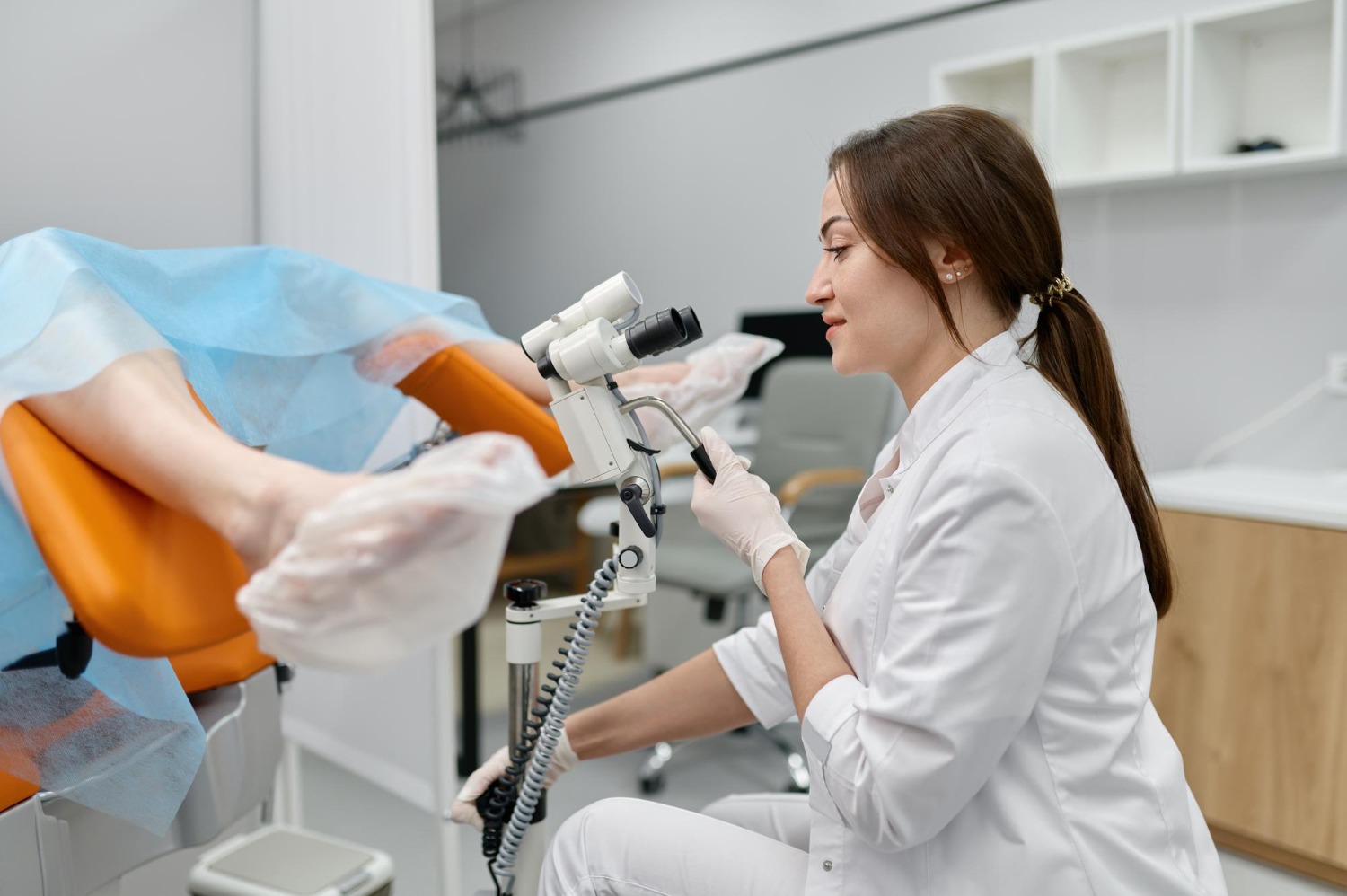
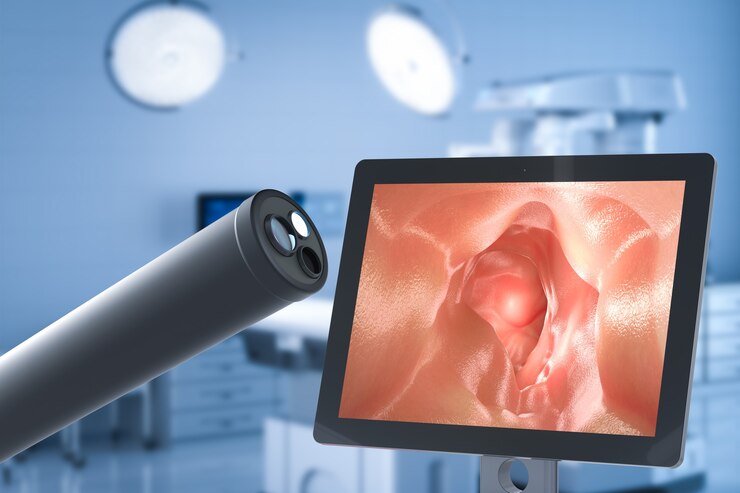
Hysteroscopy is a minimally invasive procedure used to examine the inside of the uterus. During the procedure, a thin, lighted instrument called a hysteroscope is gently introduced through the vagina and cervix into the uterus. This allows the doctor to directly view the uterine cavity.
Unlike some imaging tests that provide an indirect picture, hysteroscopy allows the doctor to see the uterine lining and cavity directly. If an abnormality is identified by the doctor, they can also treat certain problems; certain problems can also be treated during the same procedure, depending on the situation.
The procedure may be recommended for different gynaecological concerns, including abnormal bleeding, suspected uterine abnormalities, and certain fertility-related problems.
When a woman has difficulty becoming pregnant, doctors usually consider several possible factors. These may involve ovulation, fallopian tubes, sperm-related factors, hormonal conditions, or problems affecting the uterus.
The uterus plays an important role in pregnancy because it is where the embryo implants and develops. Certain abnormalities inside the uterine cavity may interfere with implantation or contribute to reproductive problems.
A fertility specialist may therefore recommend hysteroscopy when other tests suggest that there could be a problem within the uterine cavity.
For example, hysteroscopy may help identify:
Not every woman experiencing infertility needs hysteroscopy. The decision is generally based on the individual’s medical history, symptoms, previous test results, and fertility evaluation.
Endometrial polyps are growths that develop from the lining of the uterus. Some women may not experience any symptoms, while others may have irregular or heavy bleeding.
In certain cases, polyps may be associated with difficulties related to fertility. Hysteroscopy allows the doctor to see the polyp directly and, when appropriate, remove it during the procedure.
Removing an abnormality may be considered when it is thought to be affecting the uterine environment. However, treatment decisions are individualized, and removal does not guarantee pregnancy.
Fibroids are non-cancerous growths that develop in or around the uterus. Their effect on fertility can depend on their size, location, and relationship to the uterine cavity.
Some fibroids grow into the uterine cavity and may be identified during hysteroscopy. In selected cases, hysteroscopic treatment can be used to remove fibroids that are suitable for this approach.
The doctor will first assess the fibroid and determine whether hysteroscopy is appropriate. Larger or differently positioned fibroids may require another form of treatment.
Scar tissue inside the uterus is known as uterine adhesions. These may develop after certain uterine procedures, infections, or other events affecting the uterine lining.
Adhesions can sometimes alter the shape of the uterine cavity and may be associated with menstrual changes or fertility difficulties.
Hysteroscopy provides a direct view of the uterine cavity and can help identify adhesions. In appropriate cases, the scar tissue can be treated using hysteroscopic techniques.
The exact process can vary depending on whether the procedure is being performed mainly for diagnosis or treatment.
Before the procedure, the doctor reviews the patient’s medical history and may perform relevant examinations or investigations. The timing of hysteroscopy may also be planned according to the menstrual cycle.
During the procedure, the hysteroscope is passed carefully through the vagina and cervix into the uterus. The doctor may use a suitable fluid to gently expand the uterine cavity, allowing better visualization.
A camera attached to the hysteroscope provides a magnified view of the uterine cavity. If the doctor detects a problem and plans treatment, they may pass specialized instruments through the hysteroscope to address it.
The procedure may be performed using local anesthesia, sedation, or general anesthesia depending on the type of procedure and the patient’s circumstances.
Many women naturally feel anxious before undergoing a hysteroscopy, especially if they have never had the procedure before.
The level of discomfort can vary from person to person. Some women may experience cramping similar to menstrual cramps, while others may have more discomfort depending on the type of hysteroscopy being performed.
Pain management and anesthesia options can be discussed with the doctor beforehand. Knowing what to expect can also help reduce anxiety surrounding the procedure.
Recovery generally depends on the type of hysteroscopy performed and whether any treatment was carried out during the procedure.
Some women can return home on the same day. Mild cramping or light vaginal bleeding may occur for a short period following the procedure.
The doctor will provide specific instructions regarding physical activity, sexual intercourse, medications, and follow-up. Recovery can be different for every individual, particularly when a therapeutic procedure has been performed.
Patients should follow their doctor’s advice and attend any recommended follow-up appointments.
One of the major advantages of hysteroscopy is that it allows direct visualization of the uterine cavity.
Depending on the condition, potential benefits may include:
However, the benefits depend on the reason for the procedure and the individual’s medical condition.
This is an important question for many women considering hysteroscopy.
Hysteroscopy itself is not a fertility treatment in every situation. Its role is to identify and, where appropriate, treat certain abnormalities within the uterine cavity.
If a condition such as a suitable polyp, certain fibroid, or uterine adhesion is identified and treated, the treatment may be part of an overall fertility plan. Whether fertility improves afterward depends on the underlying condition and other factors affecting conception.
Fertility is influenced by many factors, including age, ovulation, ovarian reserve, fallopian-tube health, sperm health, and the condition of the uterus. Therefore, hysteroscopy should be viewed as one possible component of a broader fertility evaluation rather than a guaranteed solution.
Women who have been trying to conceive without success may benefit from discussing their situation with a fertility specialist. The doctor can review the couple’s medical history and recommend appropriate investigations.
A hysteroscopy may be considered when there is a reason to suspect a uterine-cavity problem. It may also be recommended in particular circumstances based on previous fertility treatment, recurrent pregnancy loss, or findings from other investigations.
Importantly, the need for hysteroscopy should be decided individually. A procedure should not be performed simply because infertility is present; there should be an appropriate clinical reason.
Preparation depends on the type of hysteroscopy and the anesthesia planned.
Your doctor may provide instructions regarding eating and drinking before the procedure, medications, and other preparations. If anesthesia or sedation is being used, additional instructions may apply.
It is important to tell your doctor about any medications you take and any known medical conditions. Following the preparation instructions carefully can help make the procedure safer and smoother.
Most women recover without significant problems, but it is important to be aware of symptoms that require medical attention.
Contact your healthcare provider if you experience symptoms such as heavy bleeding, severe or worsening abdominal pain, fever, or unusual vaginal discharge after the procedure.
Your doctor can explain what symptoms are expected during recovery and when you should seek help.
Being told that you may need a hysteroscopy can naturally lead to many questions. Understanding why the procedure has been recommended, what it involves, and what the expected benefits are can help you feel more prepared.
Every fertility journey is different. One person’s treatment plan may not be appropriate for another person, even when their symptoms appear similar. A detailed evaluation helps doctors identify the factors that may be affecting fertility and determine whether a procedure such as hysteroscopy has a role in treatment.
Women should feel comfortable asking their doctor about the purpose of the procedure, available alternatives, anesthesia, recovery time, and expected follow-up.
Hysteroscopy is an important minimally invasive procedure that allows doctors to directly examine the inside of the uterus and treat certain abnormalities when appropriate. For women facing fertility challenges, it can be useful when a uterine-cavity problem is suspected. However, it is not required for every infertility case, and its role should always be determined through individual medical evaluation. Women considering infertility surgery in Trichy can discuss hysteroscopy with a qualified fertility or gynaecology specialist to understand whether the procedure is appropriate for their specific condition and overall fertility treatment plan.