How a Pulmonologist Helps Diagnose Asthma and Breathing Difficulties
If you are looking for the best Pulmonologist in Trichy, it is important to understand when breathing problems need specialist attention. Breathlessness, wheezing, persistent coughing, or chest tightness may sometimes seem like simple issues, but they can have different underlying causes. A pulmonologist is a doctor who specialises in conditions affecting the lungs and respiratory system and can help identify what is actually causing your symptoms.
Breathing Problems Should Not Always Be Ignored
Breathing is something we normally do without thinking about it. But when breathing becomes difficult, even simple activities such as walking, climbing stairs, exercising, or sleeping can become uncomfortable.
Many people experience occasional breathing difficulties and assume that the problem will disappear on its own. Sometimes it may be temporary, especially during a cold or respiratory infection. However, if the symptoms continue, keep returning, or interfere with your daily activities, it is worth getting them evaluated.
Breathing difficulties can occur for many reasons. Asthma is one common cause, but allergies, respiratory infections, chronic lung conditions, smoking, environmental pollution, and other respiratory problems can also contribute.
This is where a pulmonologist can play an important role.
What Is Asthma?
Asthma is a chronic respiratory condition that affects the airways. In people with asthma, the airways can become inflamed and narrowed, making it harder for air to move in and out of the lungs.
Asthma symptoms can vary from person to person. Some people may experience symptoms only occasionally, while others may have frequent episodes.
Common symptoms include:
Wheezing while breathing
Shortness of breath
Chest tightness
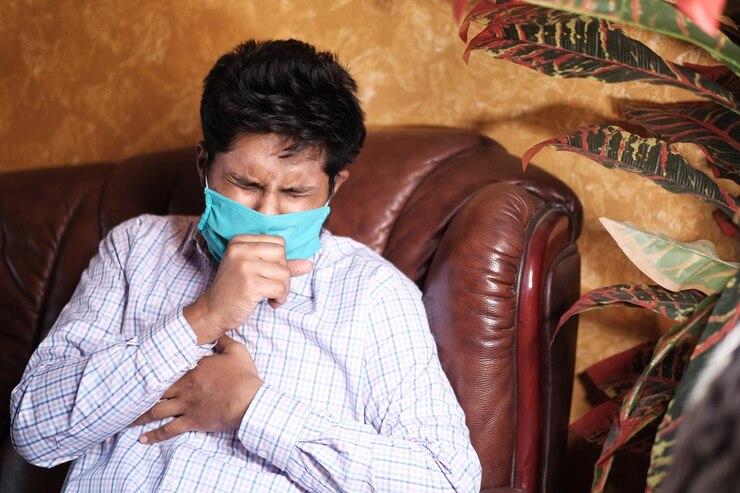
Persistent or recurring cough
Cough that becomes worse at night or early in the morning
Difficulty breathing during physical activity
Symptoms may also become worse when a person is exposed to certain triggers.
What Can Trigger Asthma Symptoms?
Asthma does not have the same triggers for everyone. Understanding individual triggers can be an important part of managing the condition.
Common triggers may include dust, pollen, smoke, air pollution, strong smells, pet allergens, respiratory infections, cold air, and physical exertion.
For some people, symptoms may also become worse during particular seasons. Others may notice breathing difficulties when they are exposed to workplace dust or chemicals.
A pulmonologist can discuss your symptoms and daily environment to understand whether particular triggers may be contributing to your breathing problems.
How Does a Pulmonologist Diagnose Asthma?
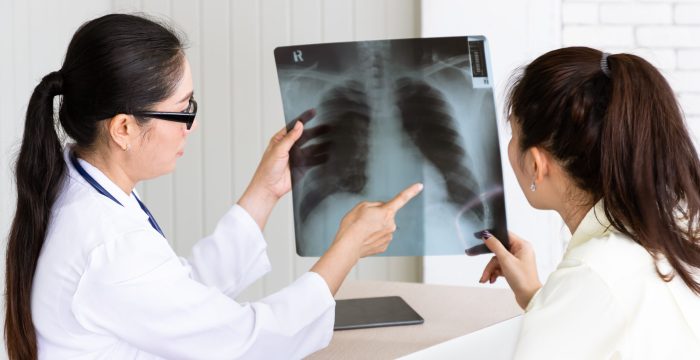
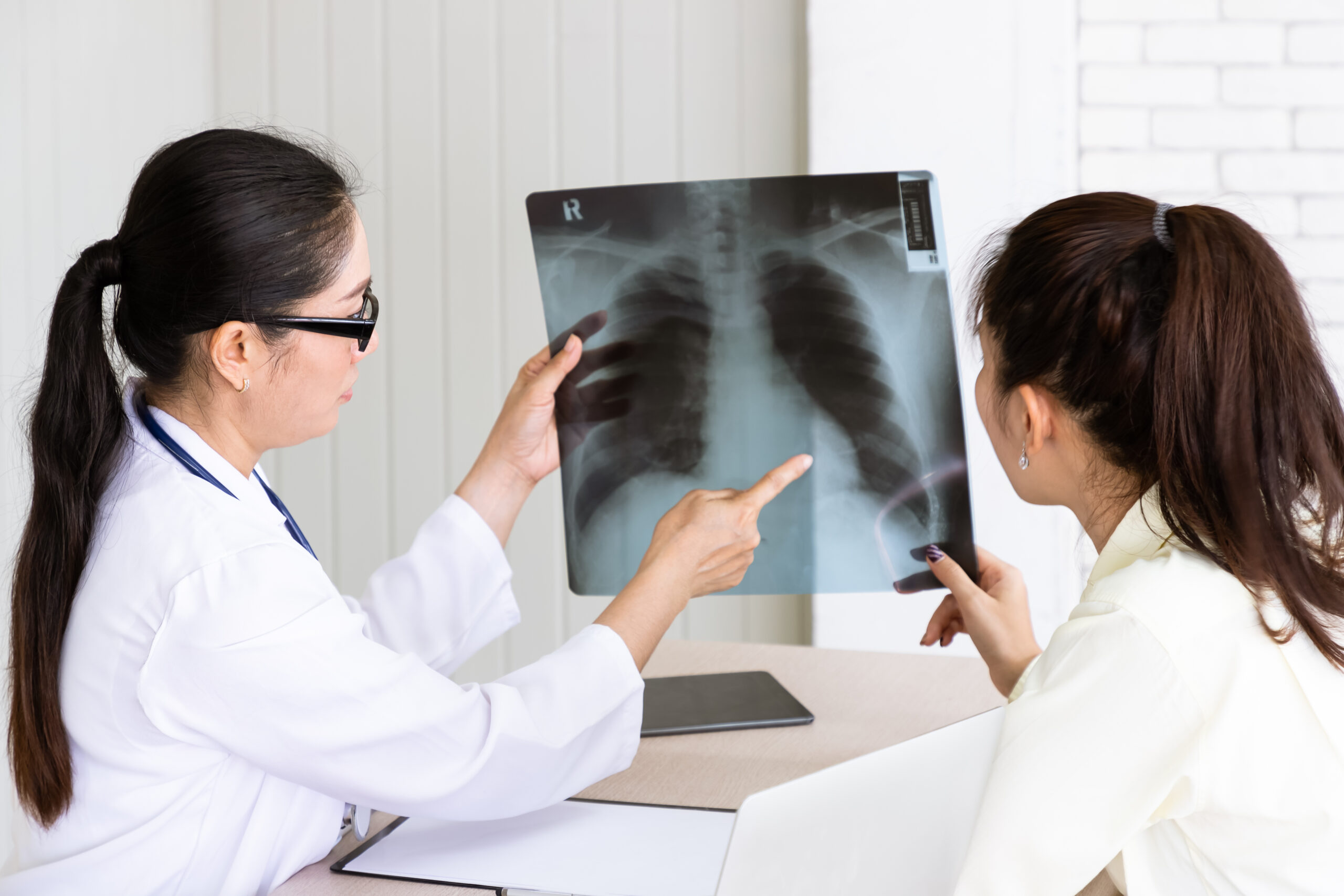
Diagnosing asthma is not based on one symptom alone. A pulmonologist usually considers your medical history, symptoms, physical examination, and appropriate lung function tests.
During your consultation, the doctor may ask questions such as:
When did your breathing problems begin?
How often do you experience symptoms?
Do you experience wheezing?
Does your cough become worse at night?
Do symptoms occur during exercise?
Are you exposed to dust, smoke, or other irritants?
Do your symptoms occur during certain seasons?
Have you experienced similar problems in the past?
These details can help the doctor understand the pattern of your symptoms.
Lung Function Tests Can Provide Important Information
One of the useful tools in evaluating asthma is a lung function test. Spirometry is commonly used to measure how much air you can breathe out and how quickly you can do so.
The test is simple and non-invasive. You breathe into a device called a spirometer, which records different measurements of your breathing.
Depending on your symptoms and the doctor’s assessment, additional testing may sometimes be recommended.
These tests can help distinguish asthma from other conditions that may cause similar symptoms.
Why Is Proper Diagnosis Important?
Coughing and breathlessness do not automatically mean that someone has asthma.
Several respiratory conditions can produce similar symptoms. Treating yourself without knowing the actual cause may delay appropriate care.
For example, a persistent cough could be associated with an infection, allergies, asthma, or another respiratory condition. Similarly, breathlessness can have several possible causes.
A specialist assessment helps the doctor look at the overall picture rather than focusing on a single symptom.
Pulmonologists Also Help With Other Breathing Difficulties
Asthma is only one of the conditions managed by pulmonologists.
They also evaluate and treat various respiratory problems, including chronic cough, COPD, respiratory infections, pneumonia, sleep-related breathing disorders, and other lung conditions.
If you regularly experience breathlessness, a pulmonologist can help determine whether it is related to your lungs or whether further evaluation may be necessary.
This is especially important when breathing difficulties are persistent or unexplained.
When Should You See a Pulmonologist?
You should consider consulting a respiratory specialist if you experience symptoms such as:
Persistent cough
Repeated episodes of wheezing
Breathlessness that keeps returning
Chest tightness
Breathing difficulty during routine activities
Cough or breathing problems that disturb your sleep
Frequent respiratory infections
Breathing difficulties during exercise
Symptoms that worsen after exposure to dust or smoke
You do not necessarily have to wait until symptoms become severe before seeking medical advice. Early evaluation can help identify the possible cause and guide appropriate management.
Asthma Management Is More Than Just Treating Symptoms
Asthma is generally a condition that needs ongoing management rather than attention only during an episode.
The goal of treatment is to control symptoms, reduce flare-ups, and help the person maintain their normal daily activities.
A pulmonologist may recommend medications, inhalers, lifestyle changes, trigger avoidance, or regular monitoring depending on the individual’s condition.
It is also important to use prescribed inhalers correctly. Sometimes people have the right medication but do not receive its full benefit because the inhaler technique is incorrect.
A healthcare professional can demonstrate the appropriate technique and answer questions about treatment.
Do Not Ignore Breathlessness During Exercise
Some people notice breathing difficulties only when they exercise. They may assume that they are simply not fit enough.
While physical fitness can influence breathing, repeated wheezing, coughing, chest tightness, or unusual breathlessness during exercise should not automatically be dismissed.
A pulmonologist can evaluate these symptoms and determine whether asthma or another respiratory condition could be involved.
Getting the right diagnosis can also help people understand how to exercise safely and manage their respiratory health.
The Role of Lifestyle in Respiratory Health
Medical treatment is important, but everyday habits can also influence respiratory health.
Avoiding cigarette smoke and second-hand smoke is an important step. People who are sensitive to dust or other allergens may also benefit from reducing exposure to known triggers.
Keeping indoor spaces clean, maintaining good ventilation, following prescribed treatment, and attending regular medical reviews can all support better respiratory health.
However, lifestyle measures should complement not replace medical advice when a respiratory condition has been diagnosed.
Why Specialist Care Matters
Breathing problems can affect your quality of life in ways that are easy to underestimate. Constant coughing can disturb sleep, breathlessness can limit physical activity, and repeated symptoms can create anxiety about everyday activities.
A pulmonologist can take the time to understand these concerns and assess the respiratory system systematically.
The right diagnosis is the first step toward the right treatment. Instead of repeatedly treating symptoms without knowing their cause, specialist evaluation can help identify what is happening and what can be done about it.
Conclusion
Breathing difficulties should never be ignored when they are persistent, recurring, or affecting your daily life. Asthma is a common respiratory condition, but similar symptoms can also occur with several other lung and breathing disorders. A pulmonologist can evaluate symptoms, perform appropriate tests such as spirometry, identify possible triggers, and recommend a suitable treatment and management plan.
If you are searching for thebest Pulmonologist in Trichy, choosing a specialist who carefully evaluates your symptoms and provides personalised respiratory care can make a meaningful difference. For anyone looking for the Pulmonologist in Trichy, timely consultation is an important step toward understanding persistent cough, wheezing, asthma, and unexplained breathing difficulties.