Clubfoot Treatment: Early Care Can Help Your Child Walk with Confidence
When parents notice that their newborn’s foot appears twisted or turned inward, it can be a cause for concern. Fortunately, clubfoot is a treatable condition, and with early intervention, most children can grow up to walk, run, and play just like their peers. If you are searching for expert care and guidance, consulting the Best orthopaedician in trichy can help ensure your child receives the right treatment at the right time.
Clubfoot is one of the most common congenital foot deformities seen in newborns. Although the condition may look severe at birth, modern treatment methods have made it possible to correct the deformity successfully in most cases. Understanding the causes, symptoms, treatment options, and long-term outlook can help parents make informed decisions for their child’s health.
What Is Clubfoot?
Clubfoot, medically known as Congenital Talipes Equinovarus (CTEV), is a condition where a baby is born with one or both feet turned inward and downward. The affected foot may appear smaller than normal, and the calf muscles on the same side may also be underdeveloped.
The condition can affect:
One foot (unilateral clubfoot)
Both feet (bilateral clubfoot)
Clubfoot is present at birth and does not improve on its own. Without treatment, the child may experience difficulty walking and other mobility issues later in life.
How Common Is Clubfoot?
Clubfoot affects approximately 1 in every 1,000 live births worldwide. It is more common in boys than girls and may occur in families with a history of the condition.
Although clubfoot can seem alarming, it is important to remember that it is highly treatable when addressed early.
What Causes Clubfoot?
The exact cause of clubfoot remains unknown in many cases. However, several factors may contribute to its development:
Genetic Factors
Children with a family history of clubfoot have a higher chance of developing the condition.
Environmental Factors
Certain environmental influences during pregnancy may increase the risk, although no single factor has been definitively identified.
Neuromuscular Conditions
In some cases, clubfoot may be associated with conditions such as:
Spina bifida
Cerebral palsy
Muscular disorders
However, most clubfoot cases occur independently without any underlying neurological condition.
Signs and Symptoms of Clubfoot
Clubfoot is usually identified immediately after birth. Common signs include:
Foot Turned Inward
The foot may point downward and inward.
Twisted Appearance
The foot may appear rotated internally.
Tight Tendons
The Achilles tendon may be shorter than normal.
Smaller Calf Muscles
The affected leg may have reduced muscle development.
Limited Foot Movement
The foot may be difficult to move into a normal position.
Fortunately, clubfoot is generally painless in infancy, but early treatment is essential to prevent future complications.
How Is Clubfoot Diagnosed?
Physical Examination
Doctors can often diagnose clubfoot through a simple physical examination after birth.
Prenatal Ultrasound
In some cases, clubfoot may be detected during routine pregnancy ultrasounds, typically around the 20th week of gestation.
Additional Testing
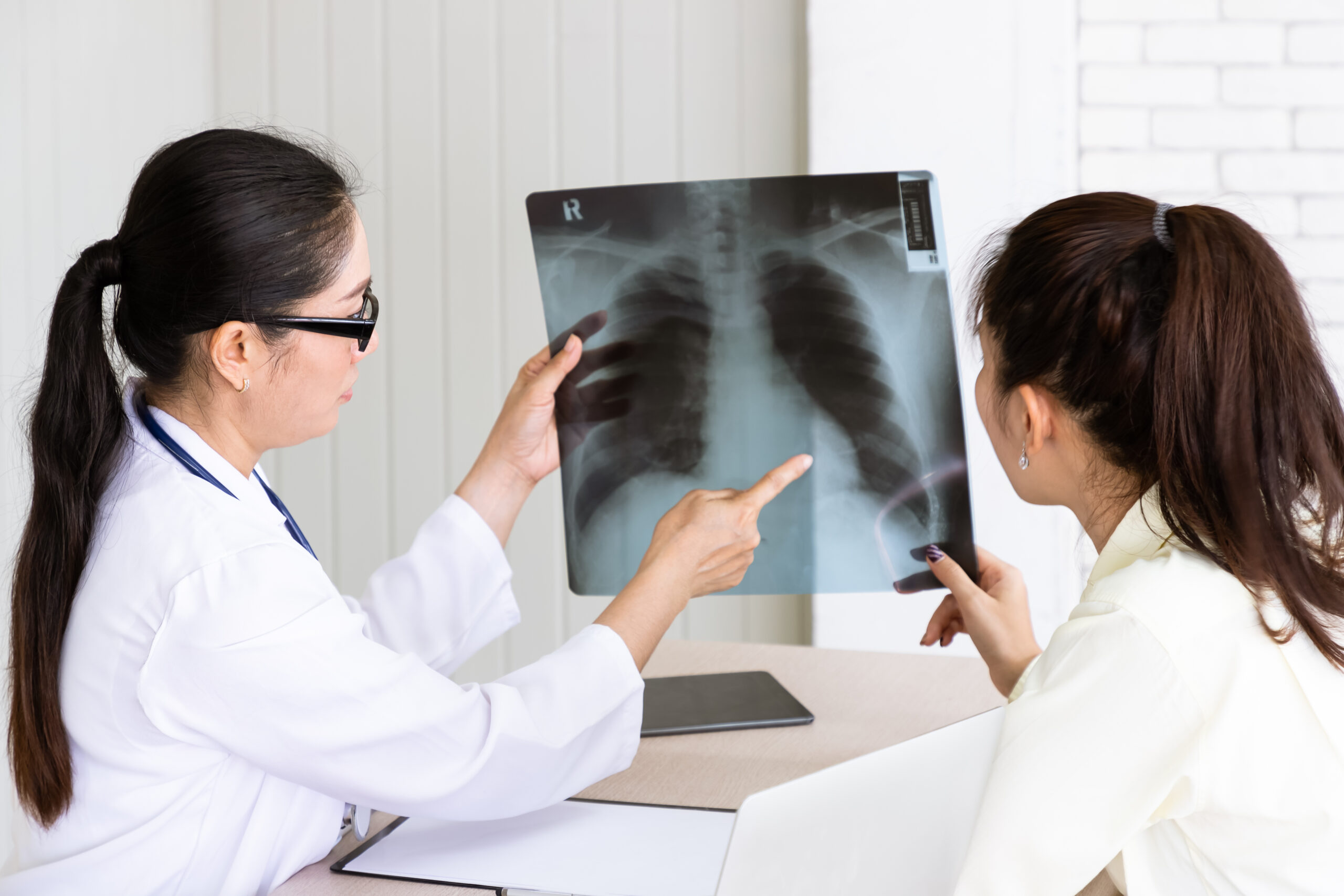
If the doctor suspects an associated condition, further investigations such as X-rays or neurological evaluations may be recommended.
Why Early Treatment Matters
The bones, joints, and ligaments of a newborn are highly flexible. This flexibility allows doctors to gradually correct the deformity with excellent outcomes.
Starting treatment within the first few weeks of life significantly improves success rates and reduces the likelihood of surgery.
Delaying treatment can result in:
Walking difficulties
Foot pain
Reduced mobility
Permanent deformity
Therefore, early diagnosis and management are critical.
The Ponseti Method: Gold Standard Treatment
Today, the Ponseti Method is considered the most effective and widely accepted treatment for clubfoot.
Step 1: Gentle Manipulation
The doctor gently stretches and repositions the baby’s foot toward a normal position.
Step 2: Serial Casting
After each adjustment, a plaster cast is applied to maintain the correction.
The cast is changed weekly, and the process usually continues for:
5 to 8 weeks
Each cast gradually improves the foot’s alignment.
Step 3: Achilles Tenotomy
Many babies require a minor procedure called Achilles tenotomy.
This involves:
Releasing the tight Achilles tendon
Improving ankle flexibility
Allowing the foot to achieve full correction
The procedure is quick, safe, and performed under local anesthesia in most cases.
Step 4: Final Cast
A final cast is applied for approximately three weeks after the tenotomy.
Bracing: Preventing Recurrence
Once the foot is corrected, bracing becomes an essential part of treatment.
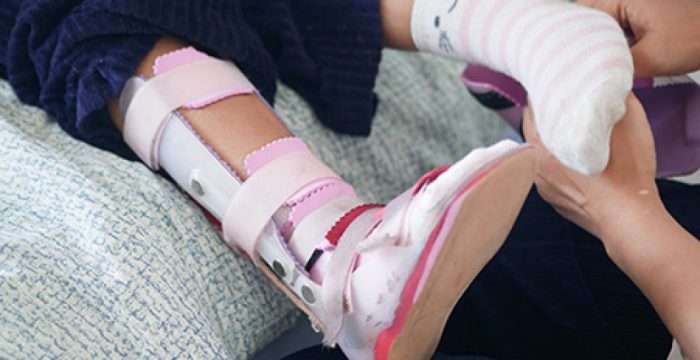
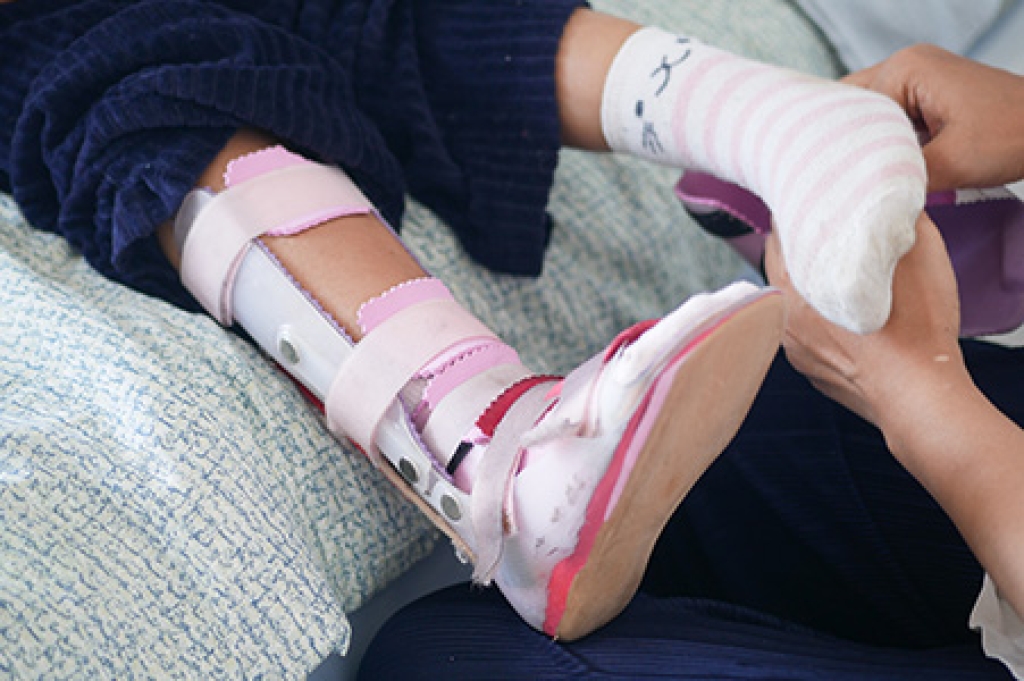
A special brace known as the Foot Abduction Brace is used to maintain the corrected position.
Brace Schedule
Initially:
23 hours per day for 3 months
Later:
During sleep and naps until 4 to 5 years of age
Consistent brace use is critical because clubfoot has a tendency to recur if the brace is not worn as instructed.
Surgical Treatment for Clubfoot
Most children respond successfully to the Ponseti Method.
However, surgery may be considered when:
Treatment begins very late
Severe recurrence occurs
The deformity is resistant to casting
Surgical procedures may involve:
Tendon lengthening
Ligament release
Bone correction procedures
The need for extensive surgery has significantly decreased due to the success of modern casting techniques.
Physiotherapy and Rehabilitation
Physiotherapy may be recommended to:
Improve flexibility
Strengthen muscles
Support proper walking patterns
Enhance long-term mobility
Parents are often taught stretching exercises that can be safely performed at home.
Can Clubfoot Return?
Yes, recurrence is possible, especially if brace instructions are not followed.
Signs of recurrence include:
Foot turning inward again
Reduced flexibility
Difficulty fitting into shoes
Regular follow-up appointments help doctors identify and address recurrence early.
Long-Term Outlook for Children with Clubfoot
The good news is that most children treated early lead completely normal lives.
Children who receive appropriate treatment can:
Walk normally
Participate in sports
Run and jump comfortably
Wear regular footwear
Enjoy a high quality of life
Many adults who were treated for clubfoot as infants have no limitations in their daily activities.
How Parents Can Support Treatment
Parents play a major role in successful clubfoot correction.
Follow Medical Advice
Attend all appointments and follow casting schedules carefully.
Use Braces Consistently
Bracing is the most important factor in preventing recurrence.
Monitor Progress
Watch for any signs of the foot turning inward again.
Encourage Activity
Once treatment is completed, encourage normal physical activities to promote healthy development.
Maintain Follow-Ups
Regular reviews help ensure the correction remains stable.
Common Myths About Clubfoot
Myth 1: Clubfoot Corrects Itself
False. Clubfoot requires medical treatment.
Myth 2: Surgery Is Always Necessary
False. Most cases can be corrected using the Ponseti Method.
Myth 3: Children with Clubfoot Cannot Play Sports
False. Most treated children participate in sports without restrictions.
Myth 4: Clubfoot Is Caused by Something the Mother Did
False. Parents should not blame themselves, as the exact cause is often unknown.
When Should You Consult an Orthopaedician?
Seek immediate consultation if:
Your newborn’s foot appears twisted
You notice inward turning of the foot
Your child has difficulty walking
Clubfoot treatment has been delayed
Recurrence is suspected
Early medical attention offers the best chance for complete correction.
Conclusion
Clubfoot is a common congenital condition, but it is highly treatable with early diagnosis and appropriate care. Modern techniques such as the Ponseti Method have transformed outcomes, allowing children with clubfoot to grow up with normal mobility and confidence. The key to successful treatment lies in early intervention, consistent bracing, regular follow-ups, and parental involvement throughout the treatment journey.
If you are concerned about your child’s foot development or have questions regarding clubfoot management, consulting theBest orthopaedician in trichycan provide expert guidance and personalized treatment. your child can look forward to a healthy, active, and confident future.