Hysteroscopy: A Modern Minimally Invasive Solution for Women’s Uterine Health
Women’s health has become a major focus in modern healthcare, and advanced gynecological procedures are helping women receive faster diagnosis and better treatment outcomes. Today, many women prefer consulting experienced gynecologists and obstetricians in Trichy for safe and effective solutions to uterine health problems. With advanced diagnostic techniques and minimally invasive procedures, doctors are helping women manage conditions like abnormal bleeding, infertility, fibroids, and uterine abnormalities with greater confidence and comfort.
One of the most effective procedures widely recommended today is hysteroscopy, which allows doctors to examine and treat problems inside the uterus without major surgery.
What is Hysteroscopy?
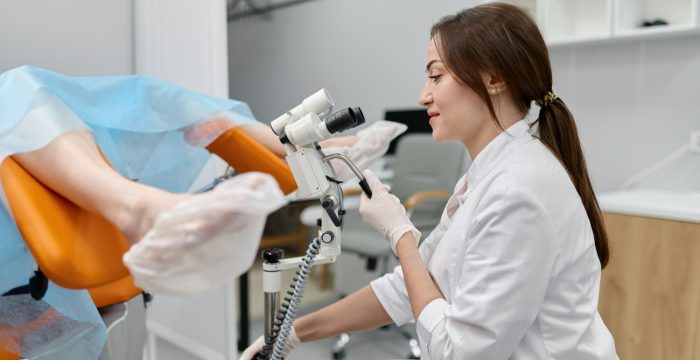
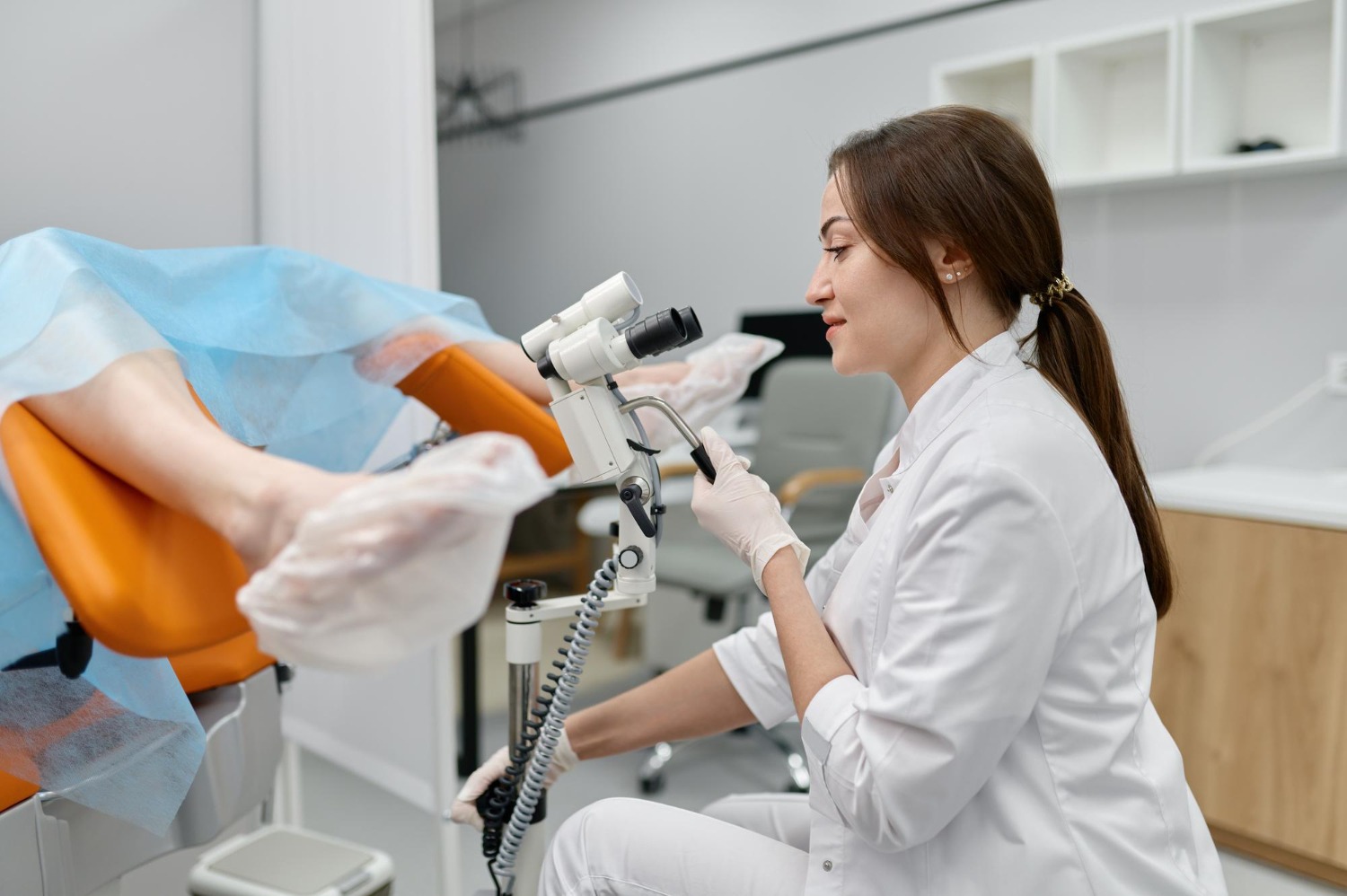
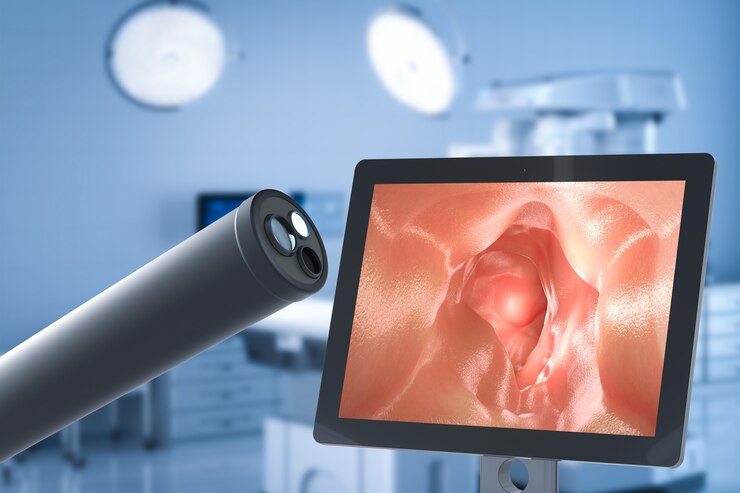
Hysteroscopy is a minimally invasive gynecological procedure used to examine the inside of the uterus using a thin, lighted instrument called a hysteroscope. This instrument is gently inserted through the vagina and cervix into the uterus, allowing doctors to clearly visualize the uterine cavity.
Unlike traditional surgical methods, hysteroscopy does not require large cuts or stitches, making it a safer and more comfortable option for many women.
The procedure is commonly performed for both diagnostic and treatment purposes. Diagnostic hysteroscopy helps identify the cause of symptoms such as abnormal bleeding, infertility, recurrent miscarriages, or pelvic pain. Operative hysteroscopy, on the other hand, is used to treat uterine conditions during the same procedure.
Why is Hysteroscopy Performed?
Doctors may recommend hysteroscopy for several gynecological concerns. One of the most common reasons is abnormal uterine bleeding, especially heavy or irregular periods. Women who experience bleeding between periods or after menopause may also require evaluation through hysteroscopy.
Hysteroscopy is also widely used in infertility treatment and evaluation. Sometimes, uterine abnormalities such as fibroids, polyps, scar tissue, or septum formation can interfere with pregnancy. Hysteroscopy helps identify these issues accurately and allows doctors to treat them effectively.
In addition, hysteroscopy is used to remove retained products after miscarriage, retrieve displaced intrauterine devices (IUDs), and diagnose unexplained pelvic pain. Since the procedure offers direct visualization of the uterus, it provides more accurate results compared to imaging methods alone.
Conditions Diagnosed Through Hysteroscopy
Hysteroscopy is highly effective in diagnosing several uterine conditions.
1. Uterine Fibroids
Fibroids are non-cancerous growths that develop in the uterus. Certain fibroids located inside the uterine cavity can cause heavy bleeding, pelvic pain, and fertility problems. Hysteroscopy helps identify and remove these fibroids safely.
2. Endometrial Polyps
Polyps are small growths in the lining of the uterus. They may lead to irregular bleeding and fertility issues. Hysteroscopy allows precise detection and removal of polyps.
3. Uterine Septum
Some women are born with a wall-like structure inside the uterus called a septum. This condition may contribute to infertility or repeated miscarriages. Hysteroscopy can correct this abnormality effectively.
4. Scar Tissue in the Uterus
Scar tissue may develop after previous surgeries or infections. This condition, known as Asherman’s syndrome, can affect menstrual cycles and fertility. Hysteroscopy helps remove adhesions and restore normal uterine function.
5. Abnormal Uterine Bleeding
Women with unexplained heavy or irregular periods often undergo hysteroscopy to identify the exact cause of bleeding.
How is Hysteroscopy Performed?
Hysteroscopy is usually performed as a day care procedure, meaning most patients can return home the same day. Depending on the condition being treated, the procedure may be done under local, regional, or general anesthesia.
During the procedure, the hysteroscope is gently inserted through the vagina into the cervix and uterus. A sterile fluid is then introduced to expand the uterus slightly, allowing the doctor to clearly examine the uterine cavity. Tiny surgical instruments may also be inserted through the hysteroscope if treatment is required.
The procedure usually takes around 15 to 45 minutes depending on whether it is diagnostic or operative hysteroscopy. Since no large cuts are involved, recovery is generally quicker than traditional surgery.
Benefits of Hysteroscopy
Minimally Invasive Procedure
One of the biggest advantages of hysteroscopy is that it does not require abdominal incisions. This reduces pain, scarring, and the risk of complications.
Faster Recovery
Most women recover quickly after hysteroscopy and can resume normal activities within a short period.
Accurate Diagnosis
Since doctors can directly visualize the uterus, hysteroscopy provides highly accurate diagnosis of uterine conditions.
Simultaneous Treatment
In many cases, diagnosis and treatment can be performed during the same procedure, avoiding multiple surgeries.
Reduced Hospital Stay
Most hysteroscopy procedures are completed on a day care basis, reducing the need for prolonged hospitalization.
Recovery After Hysteroscopy
Recovery after hysteroscopy is usually smooth and uncomplicated. Some women may experience mild cramping, spotting, or light bleeding for a few days after the procedure. These symptoms generally settle quickly.
Doctors may advise avoiding heavy exercise, sexual intercourse, or the use of tampons for a short period after the procedure to allow proper healing. Most women can return to work and normal activities within one or two days.
If symptoms such as severe pain, fever, or heavy bleeding occur, immediate medical attention is necessary, although such complications are uncommon.
Hysteroscopy and Fertility Treatment
Hysteroscopy plays a very important role in fertility care. Many women struggling with infertility may have underlying uterine abnormalities that are not detected through regular scans. Hysteroscopy helps identify hidden conditions that may affect implantation and pregnancy.
By removing polyps, fibroids, adhesions, or uterine septum, hysteroscopy can improve the chances of successful conception and healthy pregnancy outcomes. Fertility specialists often recommend hysteroscopy before assisted reproductive procedures like IVF to ensure the uterus is healthy and ready for implantation.
Is Hysteroscopy Safe?
Hysteroscopy is considered a safe procedure when performed by experienced gynecologists. Complications are rare, but as with any medical procedure, there may be small risks such as infection, bleeding, or uterine injury. However, modern equipment and skilled specialists have made hysteroscopy highly safe and effective.
Choosing experienced doctors and advanced medical centers helps reduce risks and improve treatment outcomes significantly.
Importance of Early Diagnosis
consultation and timely hysteroscopy can help identify problems at an early stage and prevent complications.
Regular gynecological checkups are essential for maintaining reproductive health and overall well-being. Women should seek medical advice whenever they experience unusual symptoms related to menstrual cycles or fertility.
Conclusion
Hysteroscopy has transformed modern gynecological care by offering a safe, minimally invasive, and highly effective way to diagnose and treat uterine conditions. From abnormal bleeding and fibroids to infertility and recurrent miscarriages, hysteroscopy provides accurate diagnosis and targeted treatment with faster recovery and minimal discomfort.
Women seeking advanced reproductive and uterine care often prefer consulting the best gynaecology obstetricians in trichy for expert evaluation and personalized treatment. With advanced medical technology and patient-centered care, experienced gynecologists in Trichy continue to improve women’s health outcomes through procedures like hysteroscopy, helping women lead healthier and more confident lives.
Women experiencing abnormal bleeding, pelvic pain, fertility concerns, or recurrent miscarriages should seek early medical consultation for timely diagnosis and effective treatment.